
-2.png)
The Best Travel Insurance for Women Travelers — What's Actually Covered?
- Jessica Seiders
- Aug 13, 2025
- 13 min read

Your friendly guide to peace of mind abroad (and why buying travel insurance plans is worth it!)

Listen, I'm going to be honest with you off the bat, travel insurance is one of those things I used to completely ignore.
You know how it is, you're scrolling through checkout pages for flights, there's that little checkbox for travel insurance, and you think, "Eh, I'll be fine. I'm young, I'm healthy, what could go wrong?" So you skip it and congratulate yourself on saving sixty bucks.
Until the day you're sitting in a hospital in Prague at 2 AM, trying to explain to a doctor who speaks three words of English that you're pretty sure you have food poisoning, not the plague, while your credit card gets declined because your bank thinks someone stole it.
Travel insurance isn’t something you think about unless you find yourself in a situation where having it would have been the smart thing to have.
So I'm not going to bore you with insurance jargon or scare you with horror stories. Instead, I want to share what I've learned about travel insurance that works for our travel style as women.
Whether you're planning your first solo trip, your 15th work conference, or that yoga retreat you've been dreaming about, you deserve to explore the world with confidence, instead of constant worry.
Today, I'm breaking down the three travel insurance options that are worth checking out (including a few honorable mentions) while helping you figure out which one fits your actual travel style, not just your travel dreams.
Why Travel Insurance Matters (Especially for Women)
We spend hours planning the fun parts. Digging and researching for fantastic hole-in-the-wall restaurants, mapping out museum visits, and dreaming about sunrise hikes, but life doesn't always follow the itinerary, does it?

Here are just a few "real life" scenarios I've either experienced or heard from fellow travelers:
A sudden fever while traveling solo in Thailand requiring immediate medical attention. Your twisted ankle on those gorgeous but treacherous cobblestone streets in Portugal. Lost a checked bag with your favorite dresses (and all your underwear) somewhere in Italy. Having to cancel your long-awaited trip last minute because your mom falls ill and needs care.
Travel insurance can't prevent these moments, but it can make them manageable instead of devastating.
As women, we often face extra layers of complexity when we travel. We're more likely to be traveling solo, which means we don't have a travel companion to help navigate emergencies.
We might be the primary caregivers for children or aging parents back home, making us more vulnerable to last-minute trip cancellations. Many of us travel with valuable gear for our work or hobbies, cameras, laptops, and jewelry that has sentimental value.
And often, women's health needs can be more complex. There might be specific medications we need that aren't easily available abroad, or we could face unexpected pregnancy complications while traveling. Having coverage that understands these realities isn't just practical, it's empowering.
I’m not saying all this to make you travel in fear, but I’m mentioning this so you can travel smarter and freer.
When you know you're covered, you can say yes to that spontaneous cooking class, book that solo hiking excursion, or simply sleep better knowing that if something goes wrong, you won't be navigating it alone.
What's Often Covered? The Basics Explained
Let's demystify what most good travel insurance covers, because the marketing language can be pretty confusing. Think of travel insurance as having several different types of protection rolled into one plan:
Emergency medical care covers hospital stays, doctor visits, medications, and urgent treatment abroad. This is crucial because your regular health insurance probably won't cover you internationally, and medical bills can be astronomical in some countries.
Medical evacuation is the big one that many people don't think about. If you're seriously injured or ill in a remote location, this covers the cost of getting you to a hospital that can properly treat you or even flying you back home if necessary. We're talking potentially tens of thousands of dollars here.
Trip cancellation and interruption reimburse you for non-refundable expenses if you have to cancel your trip before leaving (for example, if you break your leg the week before) or cut it short (due to a family emergency back home).
Lost, stolen, or damaged luggage and belongings help replace essential items when airlines lose your bags or when your camera gets stolen from your hotel room.
Personal liability covers you if you accidentally injure someone or damage property while traveling. It's rare, but imagine accidentally causing a bike accident while cycling in Amsterdam; this coverage protects you from potentially massive legal costs.

But here's where it gets tricky and why you need to read the fine print:
Pre-existing medical conditions usually aren't covered unless you buy special coverage within a specific timeframe after booking your trip. Extreme sports often require an add-on, and what counts as "extreme" varies by insurer.
Lost items that you left unattended typically won't be reimbursed; they expect you to exercise reasonable care. Cosmetic or elective treatments abroad aren't covered, even if something goes wrong.
The key is understanding what you're buying before you need it. I always tell friends to read their policy like they're reading a restaurant menu, you want to know exactly what you're getting for your money.
SafetyWing – Best for Digital Nomads & Longer Trips

If you’re traveling for months at a time or working remotely from multiple countries, SafetyWing remains one of the most practical insurance options going into 2025.
Its big selling point is flexibility: coverage runs on a rolling monthly subscription, so you don’t have to predict exactly how long you’ll be abroad, and you can even start the policy after you’ve already left home.
It renews automatically every four weeks, so if your plans change (and let’s be honest, they probably will), you don’t have to scramble to find new insurance.
What SafetyWing offers now
As of 2025, SafetyWing has two separate plans under its “Nomad Insurance” umbrella:
Nomad Insurance – Essential Covers emergency medical expenses up to USD 250,000, medical evacuation, trip interruption, travel delays, lost checked luggage, and some limited adventure sports (like hiking, scuba diving up to 10 meters, or recreational skiing).
Nomad Insurance – Remote Health (Complete) This higher‑tier plan includes everything from Essential, plus routine healthcare (like doctor visits and annual check‑ups), mental health support, vaccinations, some preventive care, coverage for stolen electronics, and broader trip cancellation/interruption benefits.
The idea is you choose based on how long you’ll be away, your style of travel, and whether you want routine care or just emergency cover.
Built for modern travel — and families too
One thoughtful detail: children under 10 are covered for free when traveling with a parent (one child per adult, up to two children per family).

And after spending at least 90 days abroad, you’re covered for short visits home: up to 30 days if your home country is outside the United States, or 15 days if it’s the U.S.
That makes it far easier for digital nomads or slow travelers who pop back to see family, renew visas, or take care of life admin, without needing to buy a separate short‑term policy.
Cost, coverage limits, and what to keep in mind
Nomad Insurance – Essential starts at about USD 56 every four weeks if you’re under 39 (it rises with age brackets). That works out to under USD 2 a day, which is often cheaper than a traditional single‑trip plan once you’re away for several months.
Claims are generally processed in days rather than weeks, which makes a real difference when you’re abroad.
That said, coverage for electronics is limited on the Essential plan (and even on Remote Health, it won’t fully replace specialist gadget insurance if you travel with a DSLR, drone, or multiple laptops).
High‑risk adventure sports like skydiving, mountaineering over certain altitudes, or deep diving aren’t covered. And like many insurers, SafetyWing excludes most pre‑existing medical conditions except for sudden acute emergencies.
Nomad Insurance – Essential doesn’t cover trip cancellation before you leave home, only interruption once your trip has started. If you’re planning something expensive and want pre‑departure cancellation cover, you’d need to look elsewhere.
Why it still makes sense for long‑term travel
Traditional travel insurance is designed around fixed dates and single trips. SafetyWing’s month‑to‑month approach fits how many people travel now: open‑ended, flexible, and often crossing multiple regions. You pay as you go, extend automatically, and don’t risk being uninsured just because your plans change.
For digital nomads, freelancers, slow travelers, or anyone taking a career break in 2025, that combination of flexibility, reasonable cost, and decent global coverage is hard to beat.
World Nomads – Best for Adventure & Gear Coverage

If your travels revolve around hiking volcanoes, diving reefs, yoga retreats in Bali, or spontaneous treks in Nepal, World Nomads has long been the insurance brand that gets why you’re on the road in the first place.
Unlike many insurers that shy away from anything more strenuous than a city walking tour, World Nomads explicitly covers over 200 adventure activities, everything from surfing and mountain biking to scuba diving, trekking at altitude, or even volunteering projects abroad.
In practice, that means you can say yes to last‑minute adventures without calling your insurer to ask, “Am I covered if I sign up for this?”
Gear protection that matters
For travelers carrying expensive camera gear, laptops, or other valuables, World Nomads offers higher personal belongings coverage limits than many standard travel plans.
That matters whether you’re a digital nomad working from the road, a content creator traveling with multiple devices, or you just refuse to leave your favorite jewelry behind.
It isn’t a substitute for dedicated gadget insurance if you travel with truly high‑end equipment, but it’s a big step up from the minimal baggage cover you get with most basic travel insurance.
Solid medical and emergency support
World Nomads policies include comprehensive emergency medical coverage, medical evacuation, and 24/7 global assistance.
It’s reassuring if you’re heading somewhere remote, whether that’s a solo hike in Patagonia or a wellness retreat in rural Thailand, knowing you can call a team who speaks your language and understands your policy.

What to keep in mind
World Nomads generally costs more than budget travel insurance, but you’re paying for broader activity coverage and higher gear limits.
They also have age restrictions: policies typically cover travelers up to around 65, but pricing and availability start to shift for women in their late 40s and beyond. Always double‑check the specific terms for your age bracket before you buy.
Why it makes sense for active travelers
Most insurers want you to travel safely, quietly, and preferably without leaving the hotel pool. World Nomads, on the other hand, seems built for people who see a “No Limits” sign and think, “Challenge accepted.”
For women travelers who don’t want to rule out a surf lesson in Hawaii, a mountain trek, or a diving course, the extra cost often feels worth it: fewer restrictions, higher gear coverage, and the freedom to enjoy your trip instead of worrying what’s excluded.
Allianz – Best for Families & Frequent Travelers

If your passport barely has time to gather dust, say you constantly travel for work, take multiple family trips each year, or simply can’t resist a flight deal, Allianz remains one of the strongest options.
Why annual multi‑trip plans matter
Allianz really stands out with its annual multi‑trip plans. Instead of buying a separate policy for every trip, you get a single plan that covers unlimited journeys (usually up to 45 or 60 days per trip) over 12 months.
If you travel more than two or three times a year, this can be significantly cheaper and more convenient. It’s especially appealing for women who juggle business trips, weekend getaways, family vacations, or last‑minute flights home.
Global support built on experience
With decades in the travel insurance market, Allianz has an established network of hospitals and clinics worldwide. That often translates into smoother claims and faster help when things go wrong.
Their 24/7 customer assistance line offers service in multiple languages, reassuring when you’re abroad and need to explain what’s happening clearly and quickly.
Thoughtful coverage for women and families
Allianz offers broad family coverage options, which makes them particularly useful if you often travel with kids, a partner, or aging parents. Some plans include coverage for pregnancy complications — something many insurers overlook but can be critical if you’re traveling during childbearing years.
Their trip cancellation and interruption coverage is also robust. That matters if you’re the primary caregiver in your family and might need to cancel or shorten a trip for a family emergency back home. In those cases, Allianz typically reimburses non‑refundable expenses, which can save thousands.

What to keep in mind
Annual plans generally work best for travelers who take multiple shorter trips rather than long, open‑ended journeys. If you’re slow traveling or living abroad for months at a time, Allianz may not be the right fit.
Coverage must also be purchased before your trip begins, unlike some nomad‑style plans that let you buy after departure. And while Allianz policies tend to be reliable, they aren’t the cheapest option on the market.
Why it makes sense for established travelers
If you value stability, brand reputation, and strong family coverage more than extreme flexibility, Allianz offers straightforward, comprehensive protection that’s easy to manage year‑round.
For frequent travelers, that reliability often outweighs the slightly higher cost.
Learn more about Allianz’s annual travel insurance plans and what they cover on their official site.
How to Choose — 5 Quick Tips Just for Women Travelers
Choosing travel insurance can feel overwhelming, but focusing on these key areas will help you find the right fit for your travel style:
Check medical coverage limits carefully, especially if you're traveling to places like the United States, Japan, or Switzerland, where hospital bills can be astronomical.
A plan that seems affordable might have medical limits that won't protect you in an emergency. Look for plans with at least $100,000 in medical coverage, and consider higher limits if you're going somewhere with expensive healthcare.
Emergency evacuation should ideally bring you home, not just to the nearest hospital. This distinction matters more than you might think.
If you're seriously injured in a remote location, you want coverage that will get you to the medical care you need, whether that's a major hospital in the region or back to your home country, where your doctors know your medical history.
Consider pregnancy coverage if it might apply to you. Many standard travel insurance plans don't cover pregnancy-related complications, but some offer it as an add-on or include it in premium plans.
If you're pregnant or trying to conceive, this coverage could be crucial for unexpected complications that arise when you’re out on the road.
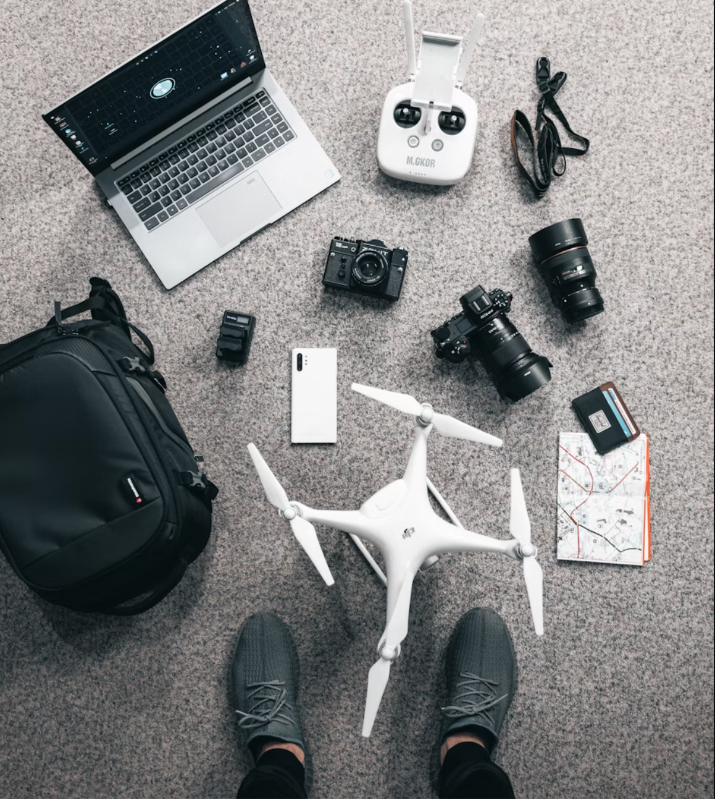
Electronics coverage is essential if you work remotely or travel with valuable gear. Basic plans often have low limits for personal belongings, but if you're traveling with a laptop, camera, or other expensive equipment, you need coverage that reflects the actual replacement cost.
Some insurers offer specific coverage for business equipment or photography gear.
Solo safety features matter when you're traveling alone. Look for 24/7 hotlines with global emergency teams, and consider insurers that offer additional services like emergency cash transfers or help finding local medical care.
When you're navigating a medical emergency alone in a foreign country, having someone who can help coordinate care and communicate with your family back home is invaluable.
Your peace of mind is worth a few extra dollars, and the right coverage can enhance your travel experience by giving you the confidence to embrace your adventures.
What's Not Covered & Common Pitfalls
No travel insurance plan covers everything, and understanding the limitations upfront will save you from nasty surprises later.
Lost or stolen items you left unattended
Stuff like this is typically excluded from coverage. This means if you leave your bag on the beach while you go for a swim, or if your phone gets stolen from a table at a café while you're in the bathroom, you're probably out of luck. Insurers expect you to exercise reasonable care with your belongings.
Most pre-existing medical conditions
This isn't usually covered unless you buy special coverage within a specific timeframe after booking your trip, usually within 10-20 days. This includes everything from diabetes to anxiety disorders. If you have ongoing health issues, read the pre-existing condition clauses carefully and consider purchasing coverage early.
Adventure sports often require additional coverage
Also, what counts as "adventure" varies wildly between insurers. Rock climbing might be covered by one plan but excluded by another. Even activities like skiing or scuba diving might need add-ons depending on your policy.
Elective or cosmetic procedures abroad
Procedures like these aren't covered, as mentioned before, even if something goes wrong. This includes dental work, plastic surgery, or any medical treatment that isn't considered emergency care. If you're combining travel with medical tourism, you'll need separate coverage for those procedures.
Alcohol and drug-related incidents
These are usually excluded. If you're injured while intoxicated or under the influence of drugs, your claim will likely be denied. This is particularly important to remember during those fun nights out in new destinations.
The key is reading your policy like you mean it. I know it's boring, but spending 10 minutes understanding your coverage could save you thousands of dollars and major headaches later.
Save the insurance company's hotline number in your phone, take photos of your policy documents, and keep copies of important information easily accessible while you travel.
Making the Decision — Trust Your Travel Style
The best travel insurance is the one that matches how you travel, not just how you think you should travel.
If you're a spontaneous, long-term traveler who might extend a trip on a whim, SafetyWing's flexibility is probably worth more to you than slightly better coverage limits elsewhere.
But if you're planning an active adventure vacation, World Nomads' comprehensive activity coverage might be essential.
Finally, if you're a frequent traveler who takes multiple trips per year, Allianz's annual plans could save you both money and hassle.
Think about your travel patterns, your risk tolerance, and what would stress you out most if something went wrong.
Are you most worried about medical emergencies, lost luggage, or having to cancel a trip? Understanding your priorities will help you choose coverage that serves your needs.

Final Thoughts — Travel Smart, Travel Fearlessly
Travel insurance isn't the exciting part of planning a trip, but neither is getting sick abroad without help, losing your luggage with no recourse, or having to cancel a dream vacation and lose thousands of dollars.
The goal isn't to eliminate all risk from travel; that's impossible and wouldn't be much fun anyway.
Your main goal is to protect yourself from the kinds of financial and logistical disasters that could ruin not just your trip, but your finances and peace of mind for months afterward.
I've learned that the best adventures often come from feeling secure enough to be spontaneous, confident enough to try new things, and protected enough to take reasonable risks. Good travel insurance gives you that foundation.
Whether you choose SafetyWing for its flexibility, World Nomads for its comprehensive adventure coverage, or Allianz for its reliable frequent-traveler benefits, the important thing is that you choose something.
Don't let the perfect be the enemy of the good; any of these options will give you significantly more protection than traveling uninsured.
Stay safe, travel smart, and I'll see you somewhere beautiful in the world!
----
**This post contains affiliate links, which means I may earn a small commission if you purchase through them, at no extra cost to you. This helps support the blog so I can keep sharing travel tips and honest reviews.


Comments